

01
The message is not clear
The audience takes too long to understand the offer and the next step.
Planning, concept, production and integration with digital support.

The audience forms an opinion before making contact.
Without one clear direction, communication becomes fragmented and loses strength.
An integrated structure makes the experience clearer, more consistent and easier to evolve.
I want to advertise on radio and TVThe scope is adapted to the objective, audience and stage of the project.
These signals indicate where strategy, execution and integration can improve the result.
The audience takes too long to understand the offer and the next step.

Different materials do not look like they belong to the same brand.
Teams and suppliers work without one shared direction.

Important actions require too much effort from the audience.

Website, content, campaigns and contact points do not reinforce each other.

There is no organized view of response, priorities and improvement.
Explore the main deliverables and how they connect within the project.
Campaign, message and goal definition.
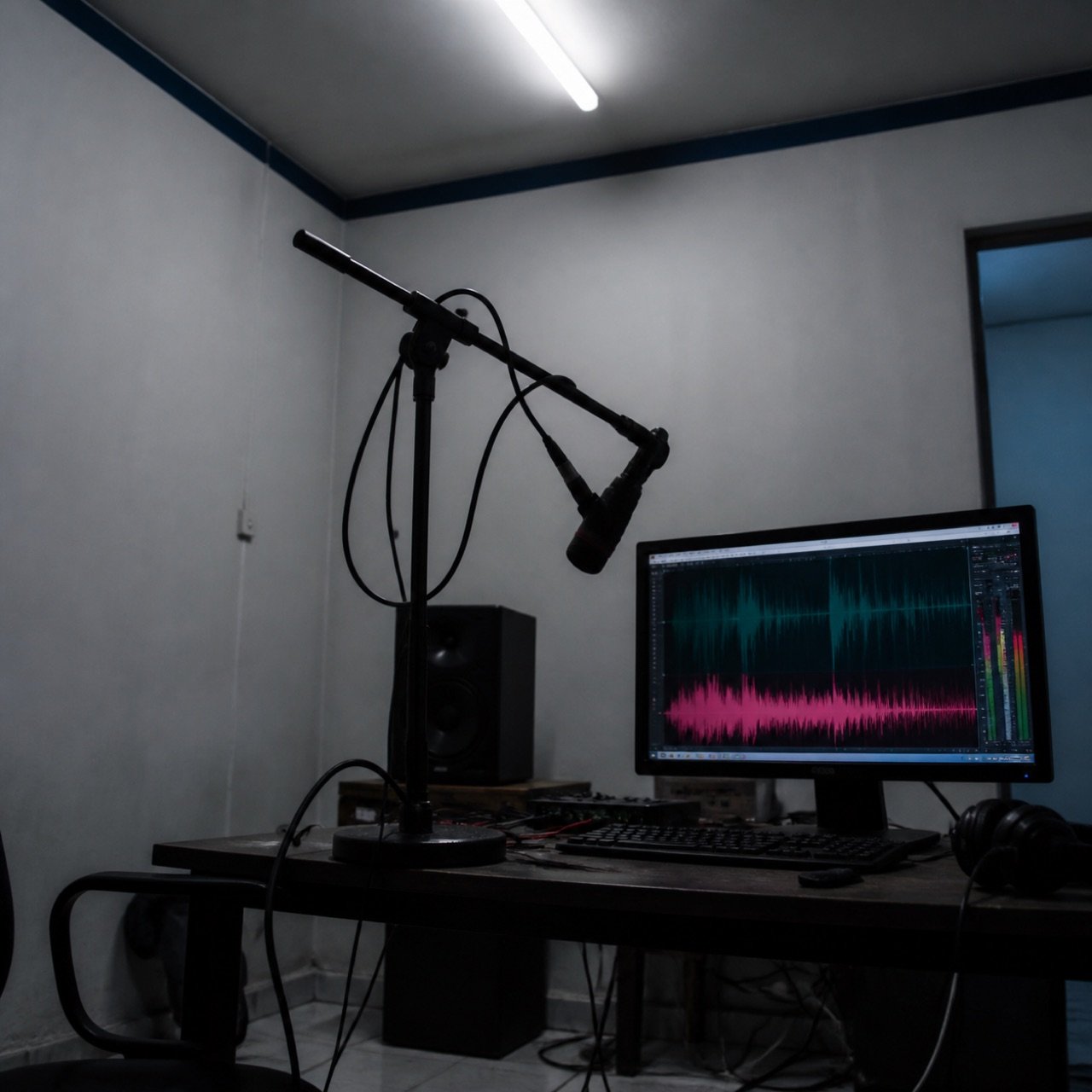
Spots, callouts and audiovisual pieces.
Website, landing page, WhatsApp and paid media support.
Placement support and structure.
Broader reach and recall.
Campaigns connected to the overall communication.
Each stage organizes decisions, production and follow-up.
 01
01We understand the context, audience, priorities and current structure.
 02
02We define message, objectives and the most relevant path.
 03
03We organize scope, responsibilities, formats and timeline.
 04
04Creative, technical and operational work is developed with one direction.
 05
05Channels, assets and contact points are connected.
 06
06We validate delivery, learn from response and plan improvements.
The project combines strategic thinking, visual quality and practical execution.
Decisions start with the objective, not with isolated deliverables.
The right specialties work together for each challenge.
Every asset follows the same brand direction.
Content, technology, media and operation stay connected.
The team organizes decisions and progress throughout the project.
The solution can grow with new needs and priorities.
Integration reduces friction and gives every action a more defined role.
Each area has a clear role within one coordinated operation.
Objectives, audience and priorities.
Message, visual system and formats.
Content, technology and operational execution.
Channels and contact points working together.
Response, learning and optimization.
The exact scope is tailored, but these are the main areas that can be part of the project.
Context, audience, objectives and current assets.
Priorities, scope, responsibilities and timeline.
Copy, arguments and information architecture.
Design aligned with the positioning and the channel.
Creative, technical or audiovisual execution.
Contact points, forms, media and supporting tools.
Validation across content, visual presentation and functionality.
Final delivery, guidance and next improvement cycle.
Deliverables are organized around the objective and the selected scope.
A clear direction for decisions and execution.
Messages, arguments and information organized for the audience.
Consistent materials adapted to each format.
Pages, integrations or production delivered and tested.
Files and versions organized for validation.
Priorities for follow-up and future improvements.
A clear scope reduces uncertainty and keeps expectations aligned.
Yes. Scope, formats and priorities are defined according to the objective and current stage.
Yes. One area can start independently and connect with others later.
Yes. Responsibilities and approvals can be organized with internal teams and partners.
The timeline follows scope, dependencies, approval rounds and production complexity.
Whenever applicable, the project is prepared for content updates and future evolution.
Yes. Every proposal follows the context, audience and objective.
Strategy, content, design, technology, production, media and integrations can be combined.
Timing depends on complexity, dependencies and approval rounds.
The team organizes checkpoints and consolidated feedback for each stage.
Yes. Roles and interfaces are defined at the beginning.
No. Content support can be included according to the scope.
Relevant indicators and progress are reviewed according to the project.
Follow-up or recurring evolution can be included when needed.
Yes. Integration between areas is one of Grupo SD’s main strengths.
Start with a conversation about the current context and the desired outcome.
Tell us what you need and receive an initial direction from Grupo SD.
Briefly share your goal. The team will reply with an initial direction for the project.